 Login / Register
  Contact / wholesale enquiries


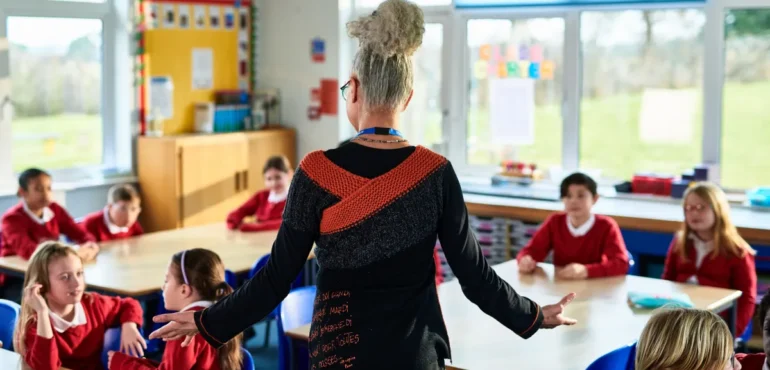
Benedict’s Law is now in force, marking an important milestone for children and families living with food allergies across England.
For years, allergy families have had to ask questions about how their child’s allergy would be managed at school. Who knows what to do if they have a reaction? Where is their medication kept? Has their teacher been trained? What happens during lunch, on a school trip or at breakfast club?
Benedict’s Law brings clearer requirements for schools around allergy safety. But for parents and schools, the important question now is what those requirements look like in practice.
Why Benedict’s Law matters
Children spend a large part of their lives at school, which makes it one of the most important environments for allergy awareness and safety.
Food is part of so many areas of school life, from breakfast and lunch to cooking lessons, birthday celebrations, school trips and after-school clubs. This means allergy safety cannot sit with one person. Teachers, teaching assistants, lunchtime staff, catering teams and breakfast club staff all need to understand how allergies are managed.
Benedict’s Law is named in memory of Benedict Blythe, who died from anaphylaxis at school in 2017. His family went on to campaign for stronger allergy protections alongside other allergy families, healthcare professionals and campaigners.
The legislation is an important step forward, but putting it into practice requires everyone involved in a child’s school life to understand their role.

What schools need to have in place
Schools now have clearer responsibilities when it comes to allergy safety. This includes having a written allergy safety policy, making sure relevant staff receive allergy awareness training and putting appropriate arrangements in place for children with allergies.
Schools also need to make sure children who require them have Individual Healthcare Plans, and that staff know how emergency medication should be managed and used.
Another important part of the guidance is learning from incidents and near misses. If something goes wrong, or a child is exposed to an allergen but does not have a reaction, it is still an opportunity to look at what happened and identify whether school procedures need to change.
These measures are designed to make allergy safety part of everyday school life rather than something that is only considered after an emergency.
Allergy safety goes beyond the classroom
When we think about school allergies, the classroom is often the first place that comes to mind. But children spend their school day in many different environments, and each can bring different considerations.
Breakfast clubs are one example.
For many children, breakfast club is the first place they encounter food at school each morning. The people running these clubs therefore need to feel confident about allergies, understand the importance of checking labels and know how to reduce the risk of cross-contamination.
This is why allergy education needs to reach beyond teachers and into every part of school life.

The ABC Breakfast Club Packs
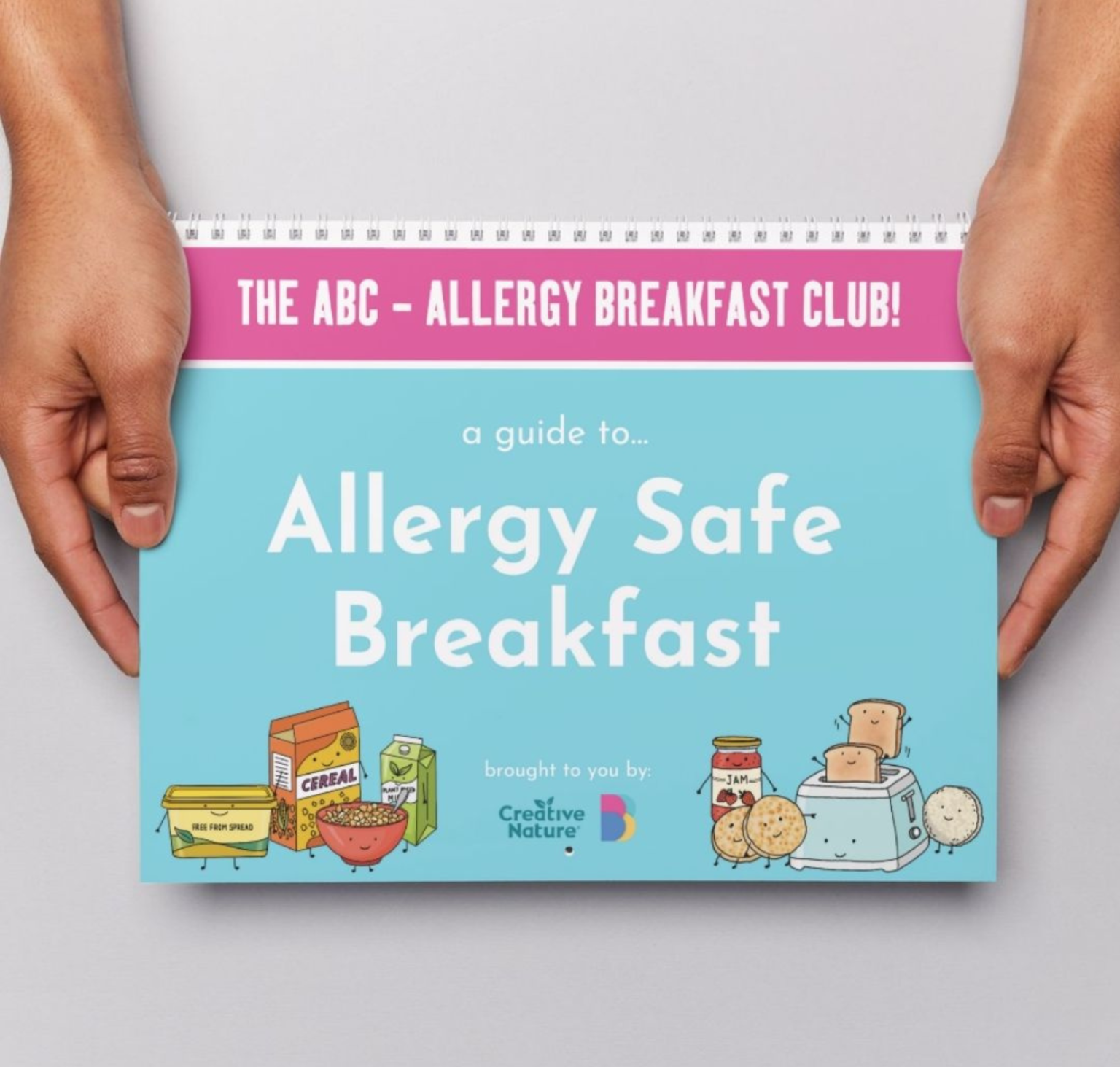
The Allergy Safe Breakfast Club (ABC) Packs, created by Creative Nature in partnership with the Benedict Blythe Foundation, were designed to help breakfast clubs build allergy awareness into their everyday routines.
The packs provide practical resources that can be used with both staff and children, including activities, worksheets and quizzes covering topics such as allergens, food labels, sharing food and creating safer breakfast environments.
They are designed to make conversations about allergies accessible for children, while giving breakfast club staff useful resources to support their understanding.
Importantly, the ABC Packs are free to download, so schools and breakfast clubs can access them without needing to add another cost to their existing resources.
What can schools do this half-term?
October half-term is a useful opportunity for schools to review their allergy procedures and make sure they are working in practice.
Schools can ask whether their allergy safety policy is up to date and whether staff know where to find it. Are relevant staff trained? Are Individual Healthcare Plans current? Do staff know where emergency medication is stored and what to do in an emergency?
It is also worth looking beyond the classroom. Are breakfast club and catering staff included in allergy procedures? Are there clear arrangements for school trips and extracurricular activities? And if there have been any incidents or near misses, has the school looked at what can be learned from them?
These conversations don’t need to wait until something goes wrong. Regular reviews and open communication can help identify gaps before they become a problem.
The bigger picture
Benedict’s Law is an important step forward for allergy families, but legislation is only one part of creating safer environments.
Real change comes from people understanding allergies and taking them seriously. It comes from teachers knowing what to do, breakfast club staff checking labels, catering teams understanding cross-contamination and children learning how they can support their friends.
It also comes from parents feeling able to ask questions and have open conversations with their child’s school.
At Creative Nature, we believe allergy safety is everyone’s responsibility. Our work has always gone beyond making food that people with allergies can enjoy. We want to support greater understanding and help make everyday environments safer and more inclusive for children living with allergies.
The ABC Packs are one practical way we can support schools and breakfast clubs in doing that.
Benedict’s Law has created an important foundation. Now, it’s about making sure that foundation becomes part of everyday school life.

Download the free ABC Pack
If you’re a school, breakfast club or parent looking for practical allergy education resources, you can download the free Allergy Safe Breakfast Club Pack and start using it with your team.
Because when more people understand allergies, children don’t have to carry the responsibility of staying safe on their own.
