 Login / Register
  Contact / wholesale enquiries


How to Create Your Child’s Individual Allergy Plan Under Benedict’s Law
Picture the first morning of a new school year. The teacher is new. The classroom assistant is new. The dinner staff on rota have changed since last July.
For most families, this is just September.
For families managing a child’s food allergy, it is also an audit. Who now holds the information that keeps your child safe? Does the new teacher know where the pen is kept? Has anyone updated the plan since your child’s last reaction?
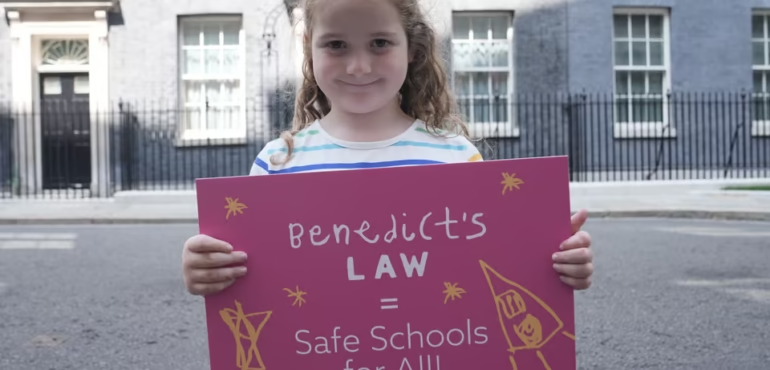
From September 2026, something changes. Benedict’s Law comes into force, and with it, every allergic child in England gains something they have never formally had before: a legal right to an individual healthcare plan, backed by statutory guidance that every school is required to follow.
Here is what that means, and how to make sure your child’s school is ready.

What Benedict’s Law Is
Benedict’s Law is named in memory of Benedict Blythe, who died from anaphylaxis at school in 2017, and was campaigned for over many years by the Benedict Blythe Foundation alongside allergy families and healthcare professionals.
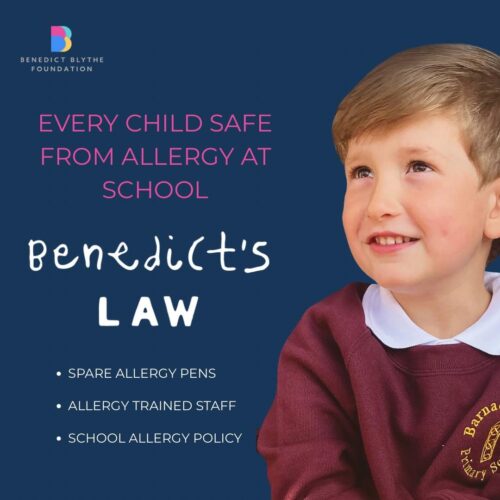
From September 2026, every school in England is legally required to have an individual healthcare plan for every child with a confirmed allergy, spare adrenaline auto-injectors on site, trained staff, and clear written policies for managing allergens in food served on premises.
The shift matters. Individual allergy care plans are no longer a courtesy. They are a legal requirement. Your child is entitled to one. The school is obligated to provide it.
If your child’s school has not yet put a plan in place, you are not asking for a favour. You are asking them to meet their statutory duty.
Two Documents, Not One
One of the most common gaps in school allergy management is treating the allergy plan and the emergency action plan as the same document. They are not, and your child needs both.
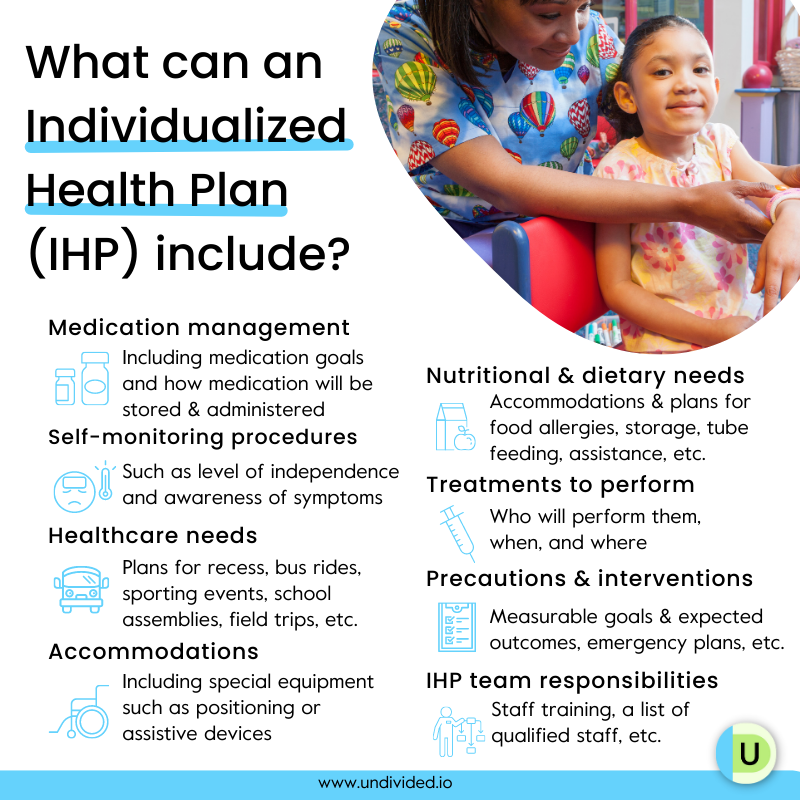
The individual healthcare plan (IHP) covers the full picture: allergens, severity, prescribed medication, named staff responsibilities, and how the allergy is managed across every part of the school environment.
The emergency action plan (EAP) is the single-page quick-reference document that tells staff exactly what to do the moment a reaction happens. It should be displayed visibly in the classroom, the dining hall, and anywhere else your child spends regular time.
If your school only has one, ask for the second before term starts.
What Your Child’s Plan Must Include
A well-written IHP is not a general note about your child’s allergy. It is a precise operational document. Before you sign off, confirm it covers all of the following:
- Every confirmed allergen, listed by name
- The severity level for each allergen, from mild to anaphylactic
- Specific trigger foods and cross-contamination risks
- All prescribed medication with full dosage instructions
- Exact medication storage locations and access details
- Named staff responsible for your child’s care during the school day, at lunch, and in any before or after-school settings
- What a reaction looks like for your child specifically, and the exact steps staff should follow
- Parent, guardian, and emergency contact details, including GP or allergy consultant where appropriate
If your school’s template does not include all of these, flag the gaps before you agree to it.
It also helps to get clinical sign-off. Ask your GP or allergy consultant to confirm the diagnosis, current medication and dosage, and to countersign the IHP template. If you are on a waiting list, ask your GP for an interim letter confirming the diagnosis in the meantime.
Questions to Ask at Your First Meeting
Before term begins, request a meeting with your child’s teacher and the school’s SENCO or allergy lead. Go prepared with these questions:
- Has my child’s individual healthcare plan been created, and who holds the current copy?
- Which staff have read it, including supply teachers and lunchtime supervisors?
- Who is responsible for updating the plan if medication or allergens change during the year?
- Where is the spare adrenaline auto-injector stored, and which staff are trained to use it?
- What is the procedure if my child has a reaction during a school trip?
- Who is the designated allergy lead, and how do I contact them?
Write the answers down. Ask for anything vague to be confirmed in writing.

Beyond the Classroom
An allergy plan that only covers the classroom is not a complete allergy plan. Make sure the IHP specifically addresses the dining hall, PE lessons, school trips, after-school clubs, and breakfast clubs.
Benedict’s Law covers schools, but it does not automatically extend to breakfast clubs run by external providers, even on school premises. If your child attends one, contact the provider directly to confirm they have a written allergy management policy and that your child’s allergy is documented in their own records.
Creative Nature’s ABC Breakfast Club resources, developed in partnership with the Benedict Blythe Foundation, give breakfast club teams free, practical tools for managing food allergies safely. If your child’s breakfast club has not yet engaged with these resources, you can point them directly to the programme.
When to Review and Update the Plan
An IHP is not something you complete once and file away. Review it at the start of every academic year, after any reaction however minor, when medication or allergens change, and whenever your child moves to a new class or school. Request the review meeting in August, so the plan is current before day one.
Your School Meeting Checklist
Before term starts, confirm you have covered the following:
- IHP created and on file at the school
- Emergency action plan displayed in the classroom and dining hall
- Named allergy lead confirmed
- Spare adrenaline auto-injector stored in an accessible, confirmed location
- All relevant staff, including supply and lunchtime supervisors, have read the IHP
- School trip protocol confirmed
- Breakfast club briefed, if your child attends one
- GP or allergy consultant sign-off included within the plan
- Review date agreed before the end of the first term
- Direct contact for the allergy lead saved
Benedict’s Law gives allergic children in England a guarantee they have never formally had before: that their school is prepared. But the law is only as effective as the plans put in place under it. Your child’s plan starts with you.
