 Login / Register
  Contact / wholesale enquiries


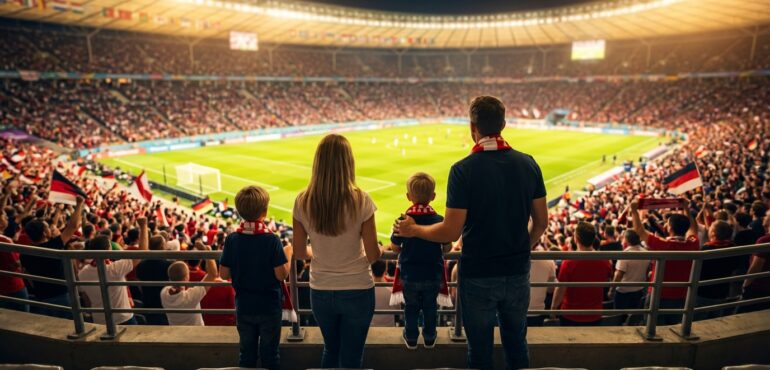
Millions of fans travel to every World Cup. It is one of the greatest journeys a football supporter can make, crossing borders, time zones, and languages to be in a stadium when the sport they love is at its absolute peak.
A significant number of those fans are managing food allergies. And the infrastructure to support them at every stage of that journey barely exists.
This is not a reason to stay home. But it is a reason to prepare differently. Here is what allergy families need to know, from packing to the final whistle.
1. Packing: start further back than you think
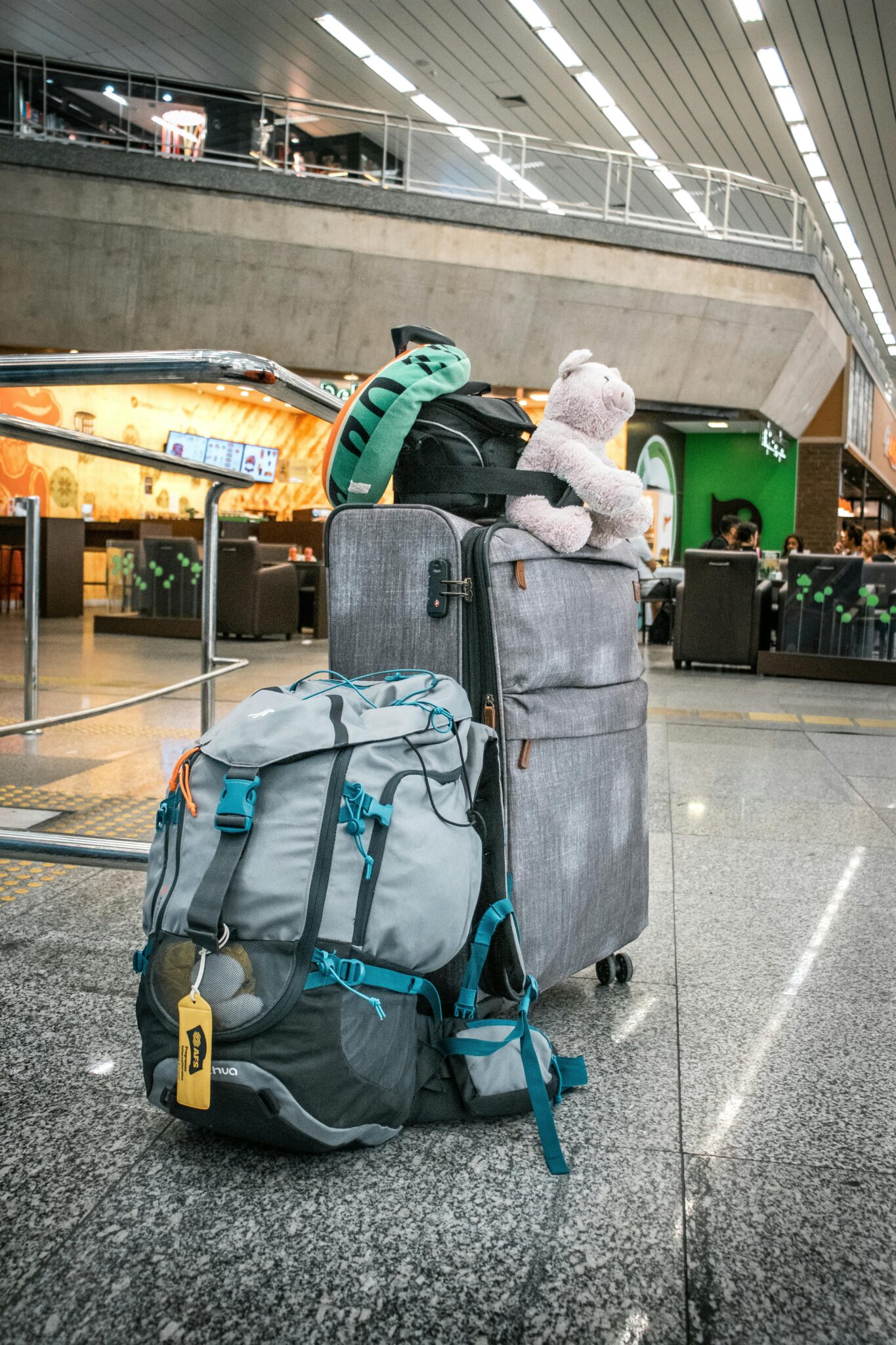
Safe food in hand luggage is one of the most important things an allergy traveller can bring. Think about how much you’ll need, not just for the flight, but for layovers, early arrival days, and any gaps in the itinerary where safe catering isn’t guaranteed.
Pack more than you think you need. Sealed, packaged snacks that don’t require refrigeration are practical and travel well. Products that carry clear allergen labelling give you confidence when you’re tired, distracted, or in a busy environment.
Be aware that some airlines restrict certain food items in hand luggage, so it’s worth checking policies before you pack.
2. Choosing your airline: this decision matters more than people realise
There is no standardised allergy policy across airlines. What one carrier does well, another handles poorly, and the difference can mean the gap between a manageable flight and a deeply anxious one.
Before booking, research how each airline approaches nut announcements, safe snack provision, and crew communication around allergies. Ask specific questions. Get responses in writing where possible.
SkyRate is a peer-review platform built by and for the allergy community, where travellers can rate airlines on how they handle food allergies and read others’ experiences before they book. Every review on the platform helps someone else make a safer, more informed decision.
3. Arriving in a new country: bridging the language gap
Once you land, the challenges shift. Finding restaurants and food vendors who genuinely understand your allergens in a country where you don’t speak the language is one of the most stressful parts of allergy travel.
Equal Eats provides allergy translation cards in over 58 languages, wallet-sized, professionally translated, and specific enough to be useful in a kitchen conversation. Download and print yours before you fly, or order a durable plastic card in advance. In the chaos of a major tournament, having the right words ready in the right language is not a small thing.
4. Getting into the stadium: what you need to know about 2026
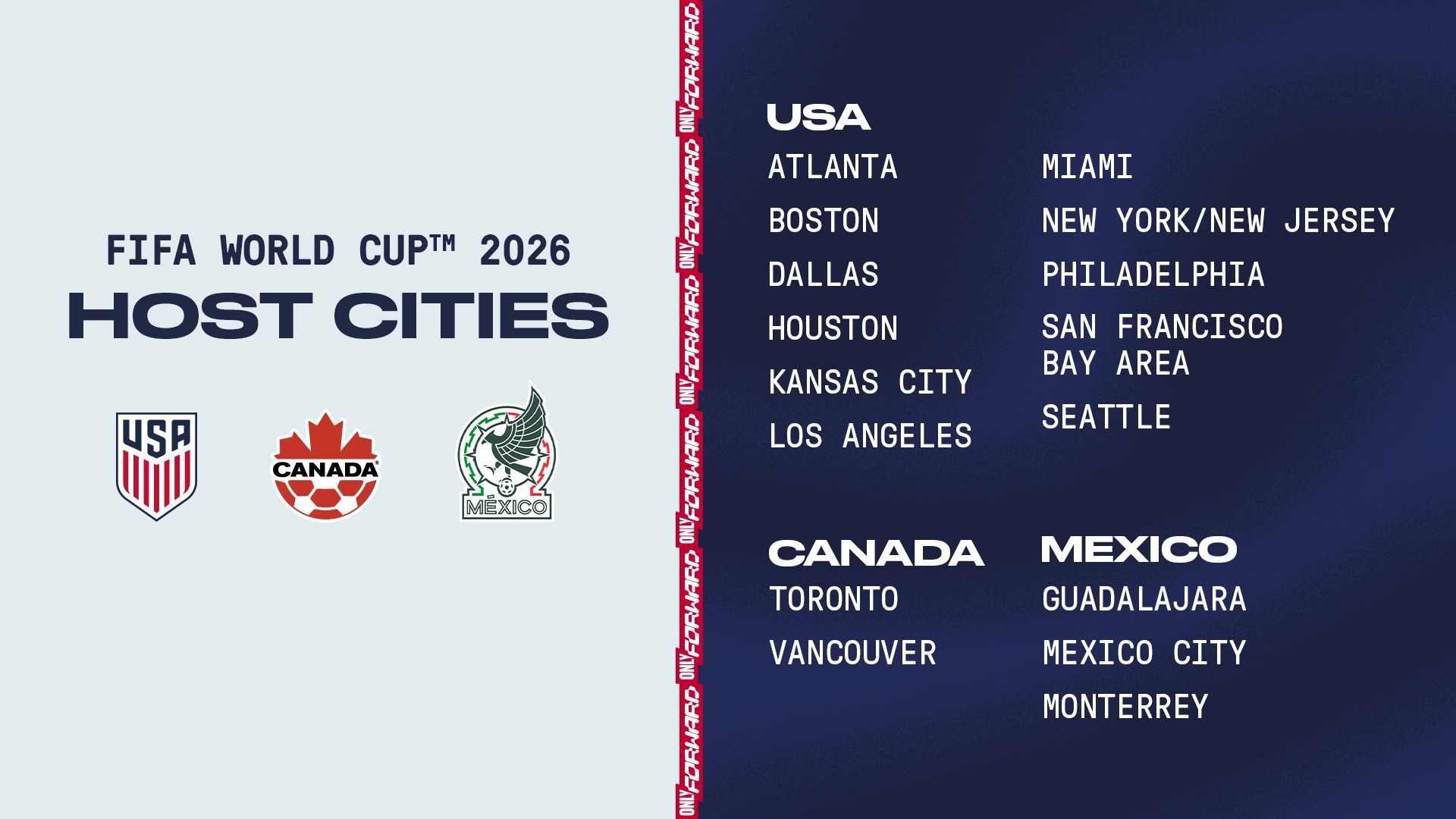
The 2026 World Cup is hosted across three nations: the USA, Canada, and Mexico. And there is a policy that every allergy family attending needs to be aware of before they travel.
Outside food is expected to be banned from 2026 venues. Medical and dietary exceptions are being considered, but they require families to contact the relevant stadium in advance, explain their needs, and go through a process before the day.
This is a real and current issue. Families who rely on bringing their own trusted food as a basic safety measure will need to plan further ahead than usual: gather documentation, make contact early, and understand what the exception process looks like at their specific venue.
Do not leave this until the week before the match.
5. Inside the venue: realistic expectations
Once inside, the honest advice is to know what you’re walking into. Concession stands at high-volume sporting events are not typically set up for detailed allergen queries. Kitchen cross-contamination in busy food service environments is a genuine risk.
Where allergen information is available, use it. Where it isn’t, ask, and if the answer isn’t clear enough to trust, don’t take the risk. The match is the point of the day. The food is not worth a hospital visit.
It is also worth noting that positive change is happening. Fulham FC installed emergency anaphylaxis kits at Craven Cottage, the first UK club to do so- and in the USA, the Red Sneakers for Oakley Foundation has been working with sports venues to create allergen-safe zones and bring epinephrine access to public spaces. The standard is being raised, slowly but meaningfully.
6. The host nations: a brief practical note
The three 2026 hosts handle allergens and food labelling differently.
In the USA, labelling laws require the top nine allergens to be declared on packaged food. Canada has similar requirements. Mexico’s labelling standards are less stringent, and English-language allergen information will be less readily available, making your Equal Eats cards especially important if you’re attending matches there.
Researching the food culture and common dishes in each country before you travel gives you a head start. Knowing what to avoid and how to explain why saves crucial time in moments that matter.
A moment worth pausing on
James Turnbull was 15 years old when he died in February 2018 after eating a chicken ball from a Chinese takeaway that contained traces of nuts. He was a footballer who loved the game, refereeing a junior league match just days before he passed.
His story is a reminder that allergy safety in public and sporting spaces is not a niche concern. It is a matter of genuine urgency. The risks that allergy families navigate every day are real, and the infrastructure that should exist to protect them, too often does not.
That is why the preparation matters. Not to create fear, but to ensure that the day stays what it’s meant to be: a journey, a memory, a match worth travelling for.
This trip is possible
Travelling to the World Cup with a food allergy is harder than it should be. It requires more planning, more communication, and more energy than the same trip requires from someone without allergies.
But it is possible. And the community is here to help.
If you’ve flown with a food allergy and want to help others make safer choices, leave a review on SkyRate. If you’re heading to 2026 and want to travel prepared, download your Equal Eats cards before you go.
