 Login / Register
  Contact / wholesale enquiries


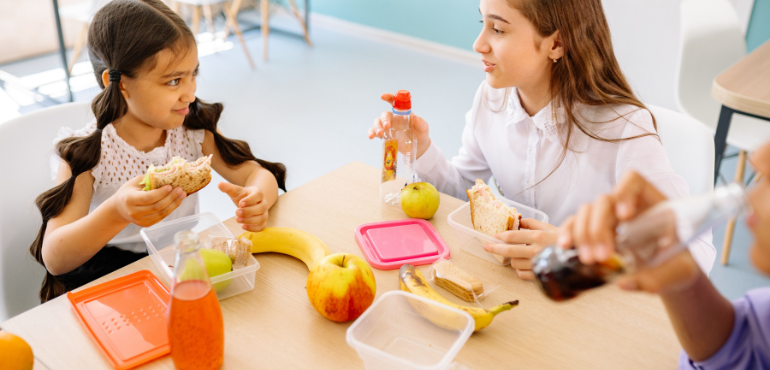
The Lunchbox Blind Spot: What UK Data Says About Cross Contamination Risk at the School Gate
Every morning across England, hundreds of thousands of children walk through school gates carrying something deeply personal, their own lunch. Yet, this everyday act is rarely considered in our policies or conversations about safety and inclusion.
With an estimated 680,000 pupils now living with a diagnosed allergy, food allergies are no longer rare, they are a daily reality for so many families. Schools are where this reality meets a world that is shared, unpredictable, and not always designed with every child in mind. At home, allergies can be managed with care and vigilance. But the moment a lunchbox leaves the safety of the kitchen and enters a classroom or a shared table, it steps into a space that is not always truly safe.
Right now, as UK allergy policy finally begins to catch up, we have a unique opportunity to make real change. Benedict’s Law will soon reshape what schools are required to do. But there is still a gap, a silent risk that sits inside every child’s lunchbox, waiting to be addressed.
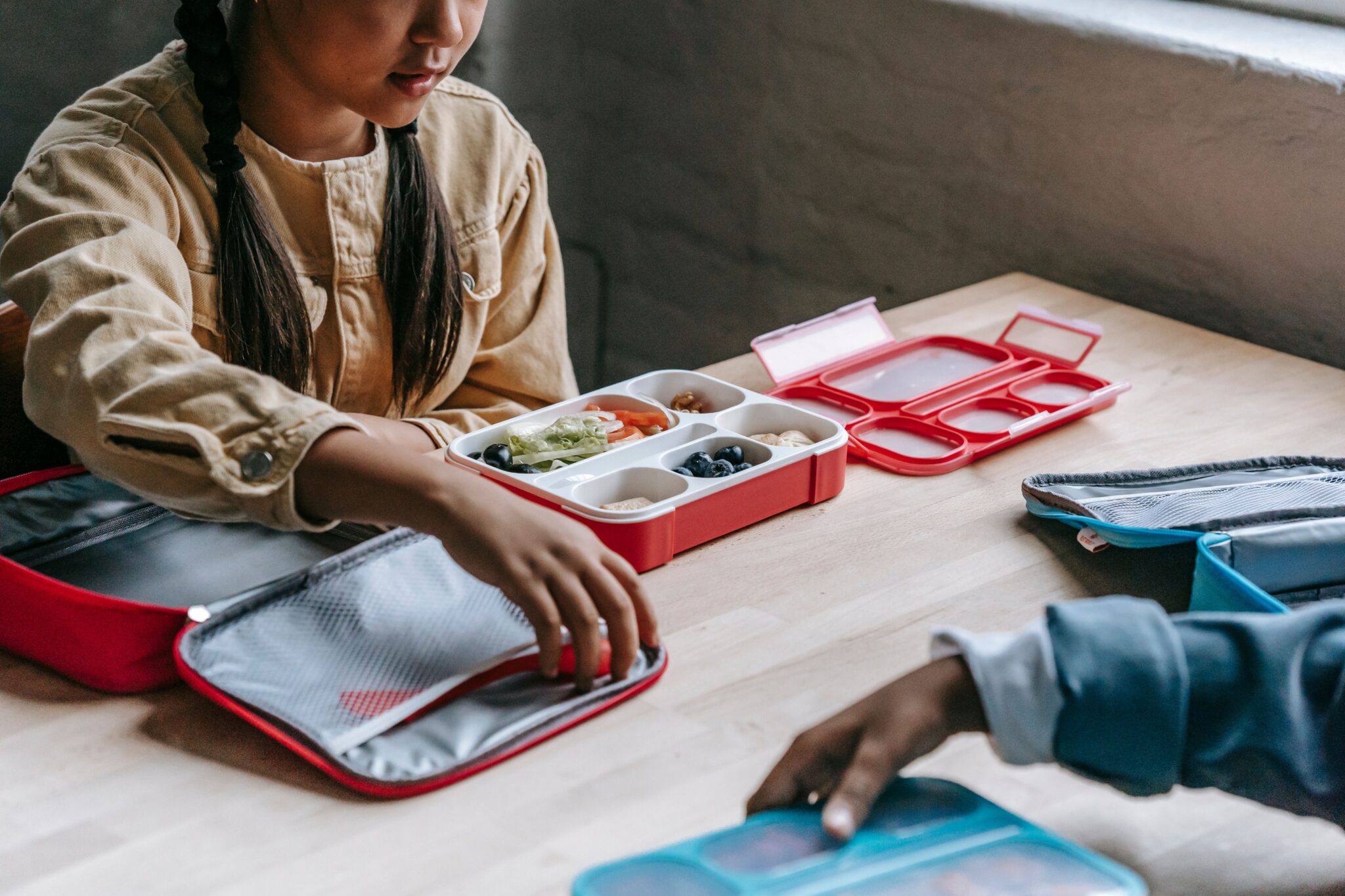
Why the lunchbox has been so overlooked
Since 2021, Natasha’s Law has required clear allergen labelling on food that is prepacked for direct sale, known as PPDS. It covers sandwiches, wraps, and other items made and packaged on site by a caterer before a pupil selects them.
What it does not cover is home prepared food. According to Food Standards Agency guidance, PPDS applies only to food packaged at the point of sale, by a food business. A lunchbox packed at a kitchen table falls outside that definition completely. There is no legal requirement for allergen labelling, ingredient checks, or safety standards on food made and packed at home, because the law was never designed to reach that far.
This means the meal most carefully prepared by parents is also the one with the least protection once it leaves home. That gap leaves too many children vulnerable.
Breaking down the actual risk
Cross-contamination risk around a school lunchbox does not happen at a single point. It builds across three separate stages, each with its own mechanism. At home, even the most loving kitchens can be sources of hidden risk. Shared chopping boards, toasters, and utensils can quietly transfer allergens, especially in families where only one member has an allergy. It is a reminder that safety starts with awareness, not just good intentions.
During transport and storage, lunchboxes are rarely kept apart. Shared trolleys, cool bags, and tray tables can all become points of cross contact. Sometimes, a leaking container or an open packet is all it takes to introduce risk before a child even sits down to eat.
At the table, food swapping and shared surfaces are everyday realities. These moments, often overlooked, can be the most dangerous for children with allergies. It is time we talk openly about these risks and work together to prevent them. None of these risks come from carelessness or bad intentions.

What Benedict’s Law actually requires from September 2026
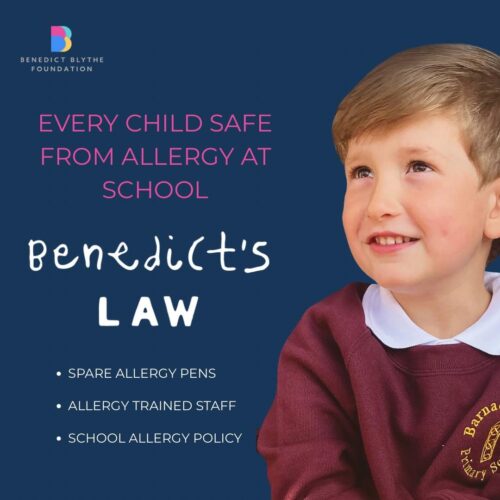
Benedict’s Law, named after five year old Benedict Blythe who died from anaphylaxis at school in 2021, has led to new statutory guidance from the Department for Education.
From September 2026, English schools will be expected to:
- Develop and publish a whole school allergy policy
- Provide allergy awareness and emergency response training to all staff, not only designated first aiders
- Hold spare, in date adrenaline auto injectors on site for use in any allergic emergency
- Maintain individual healthcare and action plans for pupils with serious allergies
This is a genuinely historic shift.
Closing the gap: a three way responsibility
If laws cannot reach into every lunchbox, then it is up to all of us as parents, schools, and manufacturers to close this gap together.
Parents can:
- Use dedicated, clearly labelled allergen free containers
- Colour code lunchboxes or containers so staff can identify them at a glance
- Brief the school directly on specific risks, rather than assuming a general policy will cover it
Schools can:
- Set clear staff training standards that include safe lunchbox handling, not just catered food
- Introduce communal storage policies that keep known allergens separated
- Establish and consistently enforce a no food swapping rule at the table
Manufacturers can:
- Remove an entire layer of risk before the lunchbox is even packed, by formulating genuinely allergen free food from the outset
This is where a brand like Creative Nature becomes part of the solution, not as a product plug, but as a foundation for inclusion. When a snack, bake, or treat is created to be free from the top 14 allergens, one layer of risk disappears before a parent even opens the cupboard. That is what true peace of mind looks like.
From reactive to proactive
For too long, families have shouldered the responsibility of closing the lunchbox blind spot, relying on vigilance, labelling, and hope. Benedict’s Law is a turning point, a sign that the voices of parents and children are finally being heard and acted upon.
This is not the final step, but it is a powerful one. Closing the lunchbox blind spot is not just possible, it is the next chapter we can write together, ensuring every child is safe, included, and confident at school.
