 Login / Register
  Contact / wholesale enquiries


Pilots run through one before every single flight. Surgeons use them before every operation. The evidence is overwhelming: checklists save lives. So why don’t allergy families have one?
If you’re travelling with a food allergy this summer, whether you’re flying to the Balearics, catching the Eurostar to Paris, or joining the thousands of families jetting off during the school holidays, the weeks ahead represent some of the highest-risk moments of the year. New environments. Unfamiliar food. Busy airport terminals. Cabin crew dealing with hundreds of passengers. Miscommunication is easy. The consequences can be catastrophic.
So we’ve written this blog to give you the same sense of calm confidence that a well-prepared pilot feels as the doors close. A ritual, not a worry. A checklist, not a crisis plan.
Why the pre-flight allergy checklist matters, and why most people don’t have one
The UK’s allergy crisis is a public health emergency that has been decades in the making, and 2026 is the year the country is finally confronting it head-on.
- 1 in 4 British adults now reports having a food or drink allergy or intolerance (Ipsos, November 2025)
- 39% of children and 30% of adults in the UK are affected by allergic disease (National Allergy Strategy Group, April 2026)
- 5,013 hospital admissions for food-related anaphylaxis and adverse reactions were recorded in 2022, which is a 154% increase from 20 years prior (MHRA / Natasha Allergy Research Foundation)
The scale of the problem is why, just this month, during Allergy Awareness Week 2026, the UK launched its first-ever National Allergy Strategy at a parliamentary reception in Westminster. More than 150 attendees, including government ministers and leading clinicians, came together with a single goal to finally treat allergic disease as the serious public health issue it is.
But strategy documents take years to deliver change. Your summer holiday is in weeks.
And we want to make sure you’re feeling fully prepared and comfortable for your upcoming trips.
The checklist below will hopefully help support you get there.
Step 1: Booking – Questions to ask your airline before you pay

The single most important thing you can do for an allergy-safe trip costs nothing and takes less than ten minutes: research your airline’s allergy policy before you book.
Airlines vary enormously in their approach, and once you buy a ticket, your options narrow. The Safer Tourism Foundation found that one in three allergy travellers now prioritises a travel provider’s health and safety policies over cost when making booking decisions.
Here’s what to find out:
- Does the airline sell or serve products containing your allergen(s) on board?
- Can you add an allergy flag to your booking so it’s visible to the crew?
- Will the airline make an on-board allergy announcement to other passengers?
- Does the airline allow early boarding so you can wipe down your seat?
- What emergency medication does the airline carry on board (antihistamine, adrenaline auto-injector)?
- Are there codeshare or partner airlines operating part of your route, and what are their policies?
That last point is critical and often overlooked. You may book with one airline and fly with another. Always check the operating carrier, and not just the ticketing carrier.
Step 2: Packing – What belongs in your hand luggage (non-negotiable)
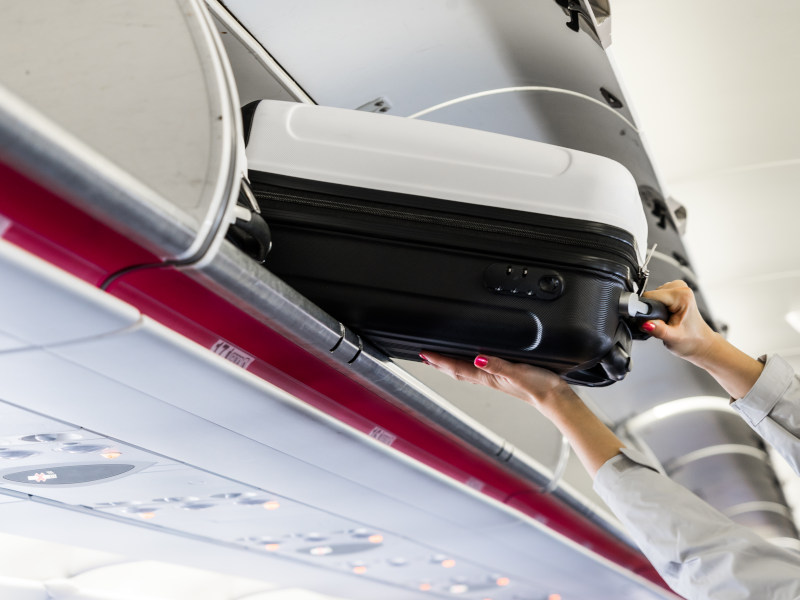
Your hand luggage is your safety system. And we find it’s easier to just make sure everything that matters stays there.
- Your adrenaline auto-injectors – always carry two in hand luggage, so that they’re always accessible.
- Antihistamines
- Any other prescribed emergency medication
- A written allergy action plan (ask your GP or allergy specialist if you don’t have one)
- Allergy translation cards, if you’re travelling to a non-English speaking country (Allergy UK’s translation cards cover 35 languages and 150 allergens)
- Antibacterial wipes to clean your seat, tray table and seatbelt buckle before the flight
- Safe snacks that are properly labelled, allergen-free food for the journey and beyond
On that last point: packing safe snacks is where we believe Creative Nature products earn their place in a travel bag. Our bars and magibles are made in a dedicated free-from facility, meaning no ‘may contain’ warnings and no cross-contamination risk from shared lines. For families managing multiple allergens, this offers peace of mind.
Top tip: pack your safe snacks in a clearly labelled ziplock bag. If you’re ever questioned by security or cabin crew about what you’re eating, visible labelling makes the conversation much easier.
Step 3: At the gate and on board – How to communicate confidently
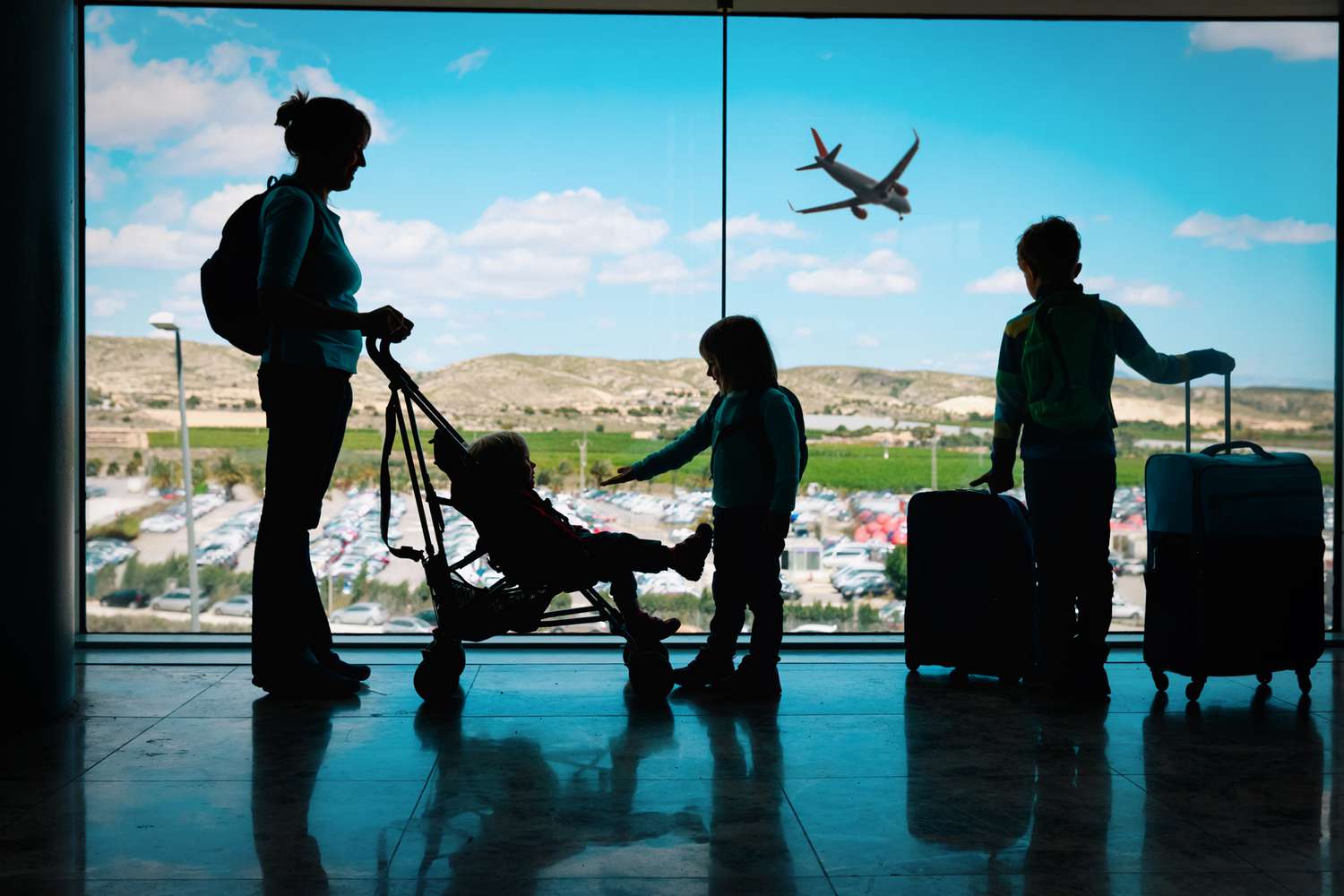
You’ve done the prep. You’ve packed everything. Now comes the part many allergy families find hardest: speaking up clearly, calmly, and repeatedly.
The Safer Tourism Foundation’s research is unambiguous on this; don’t assume that telling one person about your allergy means everyone else along your journey has been informed. Tell the airline’s booking system. Tell the check-in agent. Tell the gate staff. Tell the cabin crew when you board. Tell them again during the flight if needed.
It isn’t excessive, but rather the reality of how information gets lost in busy environments. Over-communicating is always better than under-communicating.
At the gate:
- Arrive early to give yourself time to speak to the ground staff without rushing.
- Ask to speak to the gate agent about your allergy before boarding begins.
- Request early boarding to wipe down your seat, tray table and seatbelt.
- Confirm that an allergy announcement will be made on board.
On board:
- Introduce yourself to the lead cabin crew member as soon as you board.
- Show them your allergy action plan, as a written document is easier to remember than a verbal explanation.
- Ask where the emergency medical kit is located.
- Wipe down your immediate area, including the seat, armrests, tray table, and seatbelt buckle.
- Avoid airline-provided meals unless you have verified allergen information; eat your own safe food.
- If you feel unwell at any point during the flight, tell the crew immediately and don’t wait to see if it passes.
A quick note on tone: allergy families often worry about being seen as ‘difficult’. You are not being difficult. You are communicating a medical need. The cabin crew’s job is to help keep you safe, but they can only help if they know.
What Our Travel Partners Are Doing to Raise the Standard
We developed SkyRate, a peer-review platform for allergy-safe travel, which can be utilised by the global allergy community, and through that community, we’ve learned a lot about which travel providers are genuinely stepping up for allergy passengers. Here’s a snapshot of where things stand.
KLM
KLM provides allergen information on all European flights and on intercontinental routes departing from Amsterdam. If you inform them of a severe peanut allergy, the crew will make an announcement to other passengers. You can pre-order allergen-adapted meals for long-haul flights (at least 24 hours before departure). However, KLM’s website confirms that some of their products contain nuts and that they do not currently offer alternative meals for tree nut allergies, so if tree nuts are your trigger, this route requires careful planning. Clean your area thoroughly, eat only food you’ve brought yourself, and consider whether this airline is the right fit for your family’s needs.
Eurostar
For families travelling by train rather than plane, Eurostar’s approach is transparent but limited. Their official guidance for passengers with severe or multiple allergies is to bring your own food, which is honest and practical advice. Staff can show you the full ingredient list for any on-board dish, and you should inform the onboard team of serious allergies when you board. The good news is that Eurostar is a relatively controlled environment compared to an aircraft, and you can bring your own safe food freely on board. Their Eurostar Plus menu does provide allergen details in advance, so you can plan ahead if you’re travelling in that class.
While individual airlines and operators are making progress, consistency remains the challenge. The National Allergy Strategy, launched in April, explicitly calls for stronger allergy safety standards across food, travel, and workplace environments.
This is exactly why SkyRate exists: so that allergy families can share real, first-hand reviews of airlines and travel operators, helping each other make safer decisions. If you’ve had an experience (good or bad), please leave a review on skyrate.co.uk. Your insight could prevent a reaction for someone else’s family.
Share your experience and help the whole community fly safer!
You’ve done the prep. You’ve flown safely. Now close the loop for everyone else.
Whether your airline went above and beyond or let you down, your honest review on SkyRate helps other allergy families make better, safer choices. It takes two minutes, and your review will, without a doubt, help another family or allergy traveller make a more informed decision. Visit skyrate.co.uk to add your review.
