 Login / Register
  Contact / wholesale enquiries


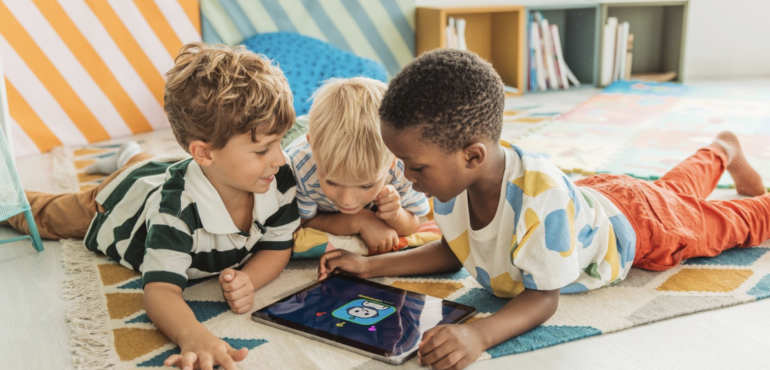
The growing importance of allergy awareness in schools
Food allergies are becoming an increasingly visible part of childhood. For many families, they shape daily routines, school choices, and even social interactions. But while awareness is growing among adults, there is still a gap in how children themselves understand allergies and respond to them.
Recent developments in the UK suggest that this is starting to change.
A shift in how we approach allergy safety in schools
In March 2026, the UK government introduced stronger protections requiring schools to stock life-saving adrenaline auto-injectors and ensure staff receive appropriate allergy training.
This follows growing momentum behind Benedict’s Law, a campaign calling for consistent allergy policies across all schools after the tragic loss of a child, Benedict, due to accidental allergen exposure.
Together, these developments signal that allergy awareness requires both medical and educational responsibilities.
Why children need to learn about allergies early
Children spend a significant portion of their day in shared spaces, whether classrooms, playgrounds, lunch halls, or after-school clubs, all of which are contexts where food is often present.
For a child with allergies, these environments can feel unpredictable, and for other children, they can simply feel… normal.
That gap in understanding is where education becomes essential.
When children are taught about allergies early, they are better able to:
- Recognise that certain foods can be dangerous for others.
- Understand why some classmates bring their own food.
- Learn why sharing food isn’t always safe.
- Know how to respond if a friend feels unwell.
Over time, this builds and facilitates environments where children with allergies feel included, not different.
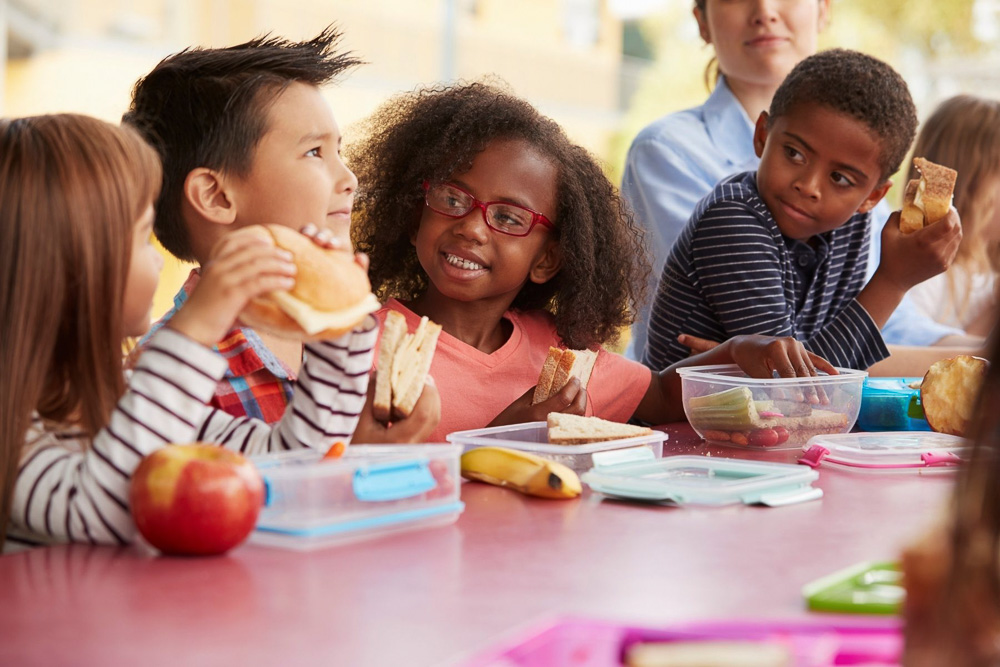
Why traditional teaching isn’t always enough
Explaining allergies through rules alone, like “don’t share food” or “wash your hands”, can only go so far.
For younger children, especially, abstract concepts like cross-contamination or invisible risks are difficult to fully grasp through instruction alone. This is where an alternative teaching approach can make a tangible difference.
Children naturally learn through play.
Research into game-based learning consistently shows that interactive experiences can:
- Improve engagement and attention.
- Increase motivation to learn.
- Strengthen understanding of complex ideas.
- Support memory and retention
Games allow children to experience concepts rather than simply hear about them. Instead of being told “this is dangerous,” they begin to understand why. And importantly, learning through play doesn’t feel like learning, but instead, participation.
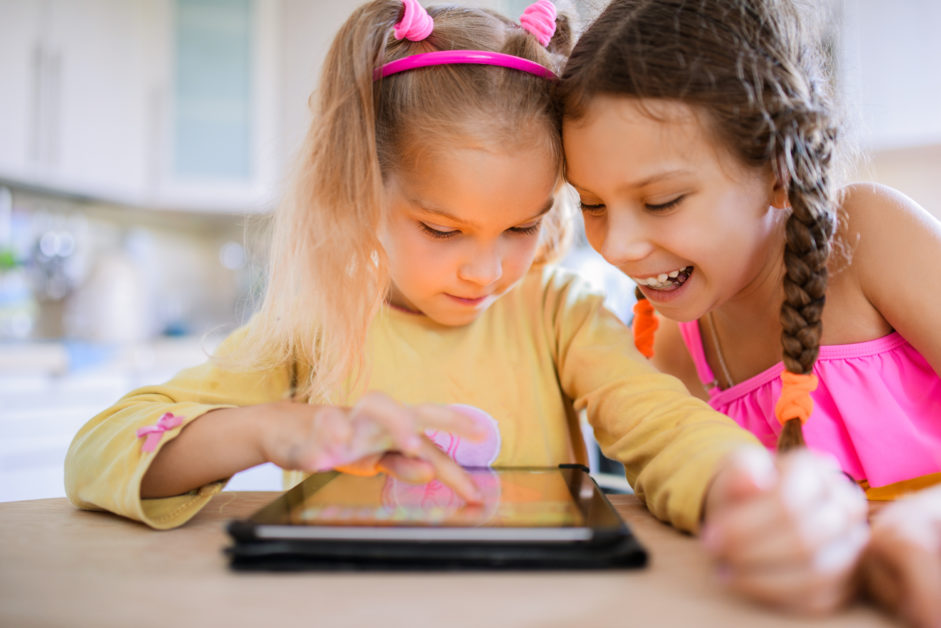
This is exactly where new approaches are beginning to emerge.
At Creative Nature, we’ve been exploring how play can be used as a practical tool to support allergy education in a way that feels natural and engaging for children. We have developed a simple runner-style browser game designed to help children recognise and avoid common allergens in a fun, interactive way. As children play, they will learn to identify ingredients, make safer choices, and understand risk – all within a format that feels familiar and enjoyable.
To make the experience even more engaging, the game will link progress to real-world rewards. For example, players will be able to unlock discount codes or free products based on the score they achieve, creating a positive reinforcement loop between learning and reward.
The aim is to make allergy awareness something children actively want to engage with.
Building empathy and inclusion through games
Food allergies are just as much about safety as they are about social experience.
A child who cannot share birthday cake or eat from the same snack table can feel excluded, even if unintentionally. So, when children learn about allergies through games, they begin to see the world from another child’s perspective.
They start to understand:
- Why a friend might bring their own lunch
- Why certain foods are not allowed in shared spaces
- Why even small traces of food can matter
Research shows that game-based learning can strengthen social and emotional skills, including empathy, communication, and cooperation. These are exactly the skills needed to create safer, more supportive environments.

A more inclusive future starts with understanding.
The recent policy changes in the UK are an important step forward, as they recognise that protecting children with allergies requires more than emergency response. It also requires awareness, understanding, and shared responsibility.
But policies alone cannot change behaviour. That change happens in classrooms, playgrounds, and everyday interactions between children.
By introducing allergy education in engaging, age-appropriate, and play-based ways, we can help children better understand allergies and encourage them to care about them.
And that may be one of the most powerful shifts of all.
If we can make learning about allergies feel as natural as play, we can start to close the gap between awareness and real understanding.
👉 Try the Creative Nature Allergy Game here:
Whether you’re a parent, teacher, or simply part of a child’s world, this is a small step toward building safer, more inclusive environments.
