 Login / Register
  Contact / wholesale enquiries



In many UK classrooms, there’s more than one child who can’t safely eat what everyone else is having. For them, food requires constant checking, questioning, and management.
And yet, most of that responsibility still sits on them. But it shouldn’t.
We believe that safe spaces are created by everyone, not just those living with allergies.
Teachers, parents, friends, colleagues, and community members all play a role in shaping environments that are safer, more inclusive, and more understanding.
The good news is that advocacy doesn’t need to be complicated. It often starts with small, thoughtful actions.
Why advocacy matters
For a child with food allergies, everyday environments can carry hidden risks, and alongside the physical risk is something less visible: the emotional weight of feeling different, excluded, or misunderstood. When more people understand allergies and take them seriously, it helps children feel safe, included, and seen.

1. Advocating in schools
Children spend a large part of their day at school, making it one of the most important spaces for allergy awareness.
Recent developments in the UK highlight just how critical this is. New guidance is pushing for whole-school allergy policies and proper staff training, recognising that preventable incidents can and do happen. Campaigns like Benedict’s Law, which emerged after the tragic loss of a child due to an allergic reaction at school, have brought national attention to the need for stronger protections.
What you can do:
- Encourage schools to adopt clear allergy policies.
- Support staff training on recognising and responding to allergic reactions.
- Promote allergy education in classrooms.
- Talk to children about not sharing food and respecting boundaries.
- Support individual allergy action plans for pupils.
Even simple awareness can make a significant difference in preventing accidents.
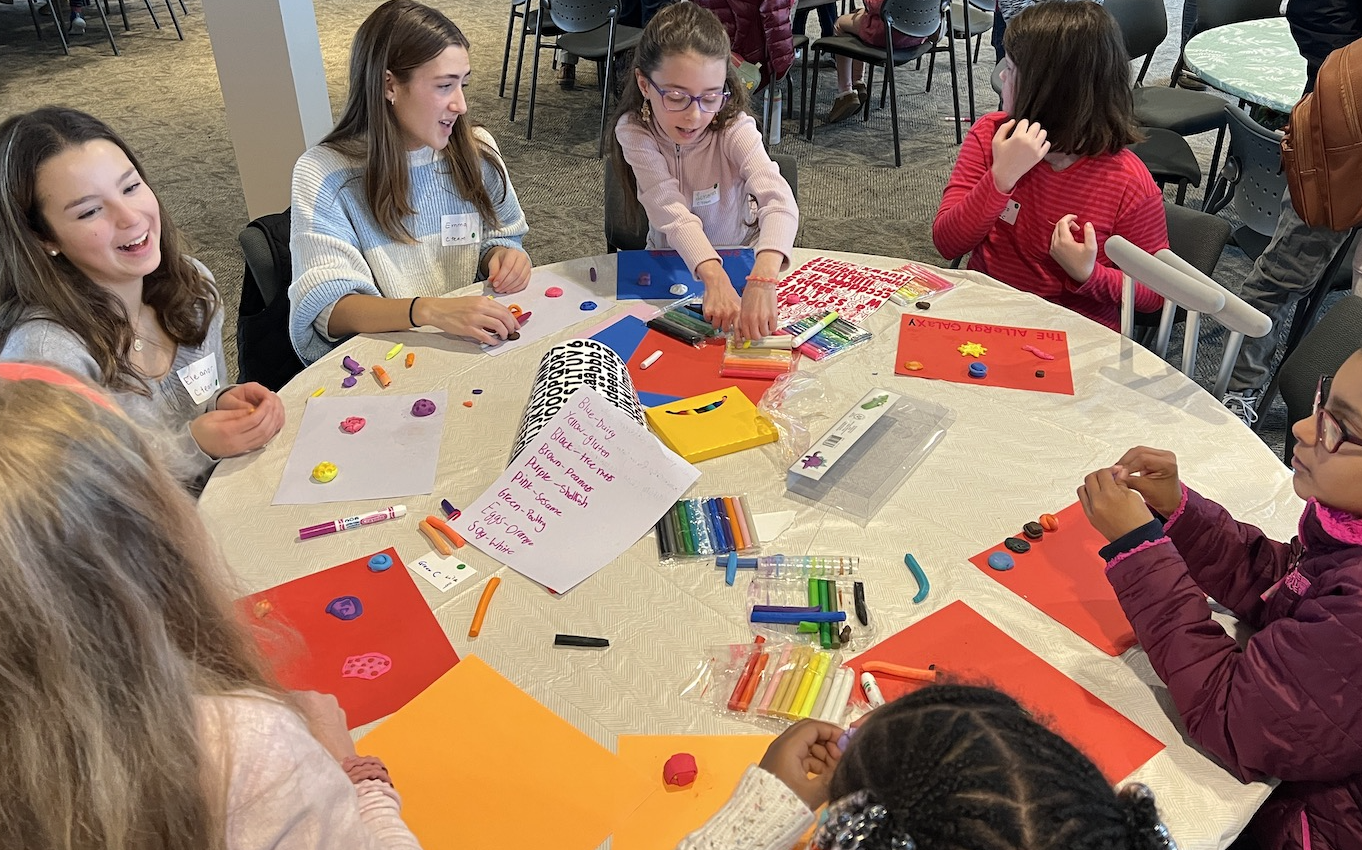
2. Advocating in family and social settings
Family gatherings, birthday parties, and playdates are often where allergies are unintentionally overlooked. These moments that are meant to feel joyful, but for some families, can bring anxiety.
What you can do:
- Ask about dietary needs when hosting.
- Avoid questioning or dismissing food restrictions.
- Create inclusive celebrations where everyone can safely eat.
- Be mindful of cross-contamination (e.g. shared utensils, surfaces).
- Label food clearly where possible.
These are small adjustments, but they can completely change how safe and included a child feels.

3. Advocating at home
Advocacy also begins in everyday conversations at home. Children who grow up understanding food allergies are far more likely to be kind, respectful, and supportive of others.
What you can do:
- Teach children that food allergies are serious.
- Encourage empathy toward classmates with allergies.
- Reinforce habits like not sharing snacks at school.
- Involve children in reading labels and understanding allergens.
These small, consistent lessons help raise a generation that sees inclusion as the norm.
4. Advocating in the workplace
Food allergies don’t disappear in adulthood, and workplaces are another important environment for awareness.
What you can do:
- Be mindful when bringing food into shared spaces.
- Encourage inclusive catering at meetings and events.
- Support colleagues who have allergies (or children with allergies).
- Promote awareness of allergens in office culture.
Often, what people learn at work carries over into their personal lives, influencing how they host, parent, and interact with others.

The bigger picture
Across the UK, charities and health organisations continue to push for better:
- Allergy education
- Food labelling
- Emergency preparedness
- Policy protection in schools and public spaces
But real change doesn’t only come from policy. It comes from people, everyday actions, awareness and choosing to care.
For someone living with allergies, those small actions can mean the difference between feeling excluded… and feeling safe. And everyone deserves to feel safe. 💛
