 Login / Register
  Contact / wholesale enquiries



In a world where connection often happens around the dinner table, food is love, community, and belonging. For families living with allergies or intolerances, this becomes especially true. This Valentine’s month, let’s explore how inclusive food culture is reshaping everyday life, from family breakfasts to school playgrounds to travel memories, and how products that everyone can share help make inclusion possible.
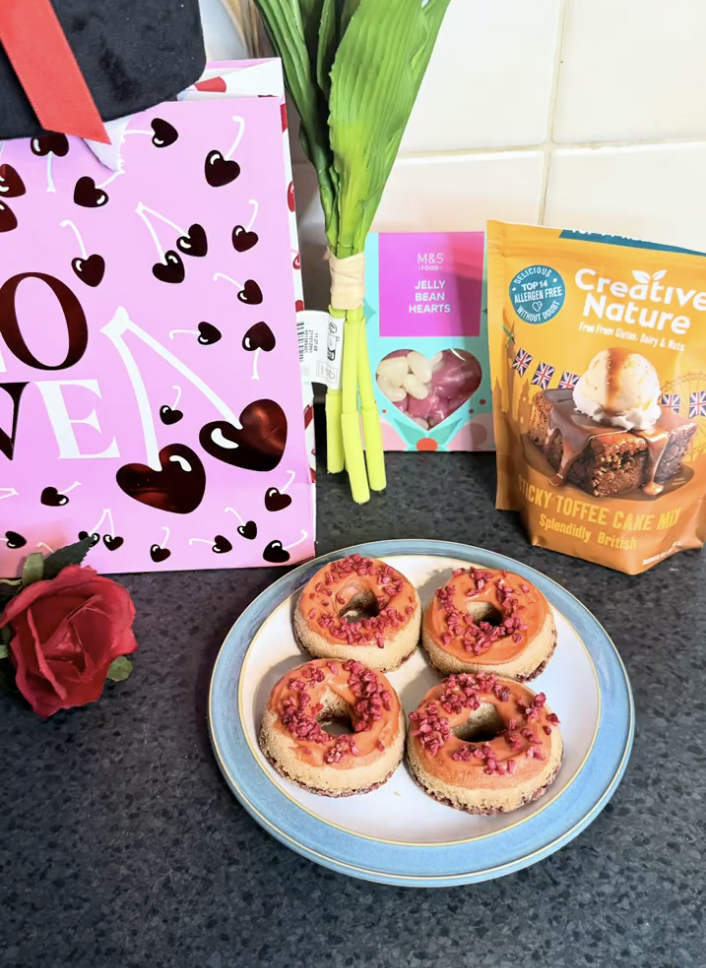
Why Inclusive Food Is an Act of Love
Whether it’s pancakes at home, snacks on the go, or celebrating milestones, food is central to how we express care. Loving someone often means preparing what they can safely eat. But for families managing allergies or intolerances, that love comes with extra vigilance, education, and preparation.
Research shows that food allergies affect a significant share of people, with an estimated 8% of children and about 10% of adults living with food allergies in some regions in the US, making avoidance and safety part of daily life.
That ongoing effort of checking ingredients, swapping recipes, and preparing safe treats extends beyond logistics into love in action. It’s the reassurance in a shared snack, siblings cheering as everyone gets the same dessert, and how inclusive food becomes a language of care.
The Growing Need for School-Safe Snacks
School should be a place of friendship, learning, and yes, you guessed it, lunchboxes and snacks. But for parents of children with allergies, navigating this environment can be challenging.
Studies show that up to a third of students with food allergies may experience a reaction at school, and that fear of accidental exposure is real for families and children alike.
Beyond physical safety, schools are also a social arena where children want to participate. Birthday treats, classroom parties, and shared snacks can feel risky – and that can lead to exclusion or anxiety for kids who can’t eat what others do. Research consistently highlights how children with food allergies can experience social restrictions, teasing, and emotional stress when peers or staff lack awareness and inclusive food approaches.
Parents are often left juggling safety and inclusion, trying to build confidence in their children while advocating for allergy awareness and safer food environments.
How Exclusion Around Food Affects Children Socially & Emotionally
As Julianne has shared with her own story, food exclusion can have a real impact on a child’s sense of belonging. Children with allergies frequently describe feelings of being “different,” left out of shared eating experiences, or anxious about participating.
Quality-of-life research shows that children with food allergies and their families can experience higher levels of stress, emotional burden, and social limitations. These feelings can extend beyond school into family parties, sleepovers, and celebrations where shared food plays a central role.
But when food becomes inclusive, the narrative changes. When everyone can share in the same treat or snack, children feel seen, safe, and included, and families feel less isolated.
Creative Nature’s founder, Julianne Ponan, knows exclusion firsthand. Growing up with severe allergies, she often found herself on the outside of shared meals and celebrations. That lived experience informed her perspective and fueled the innovation that created Creative Nature. Turning exclusion into possibility, she built a brand rooted in inclusion, safety, and flavour for everyone.
Her journey reminds us that innovation born of empathy doesn’t just solve individual problems; it creates community.
The Role of Safe Snacks & Bakes in Creating Shared Experiences
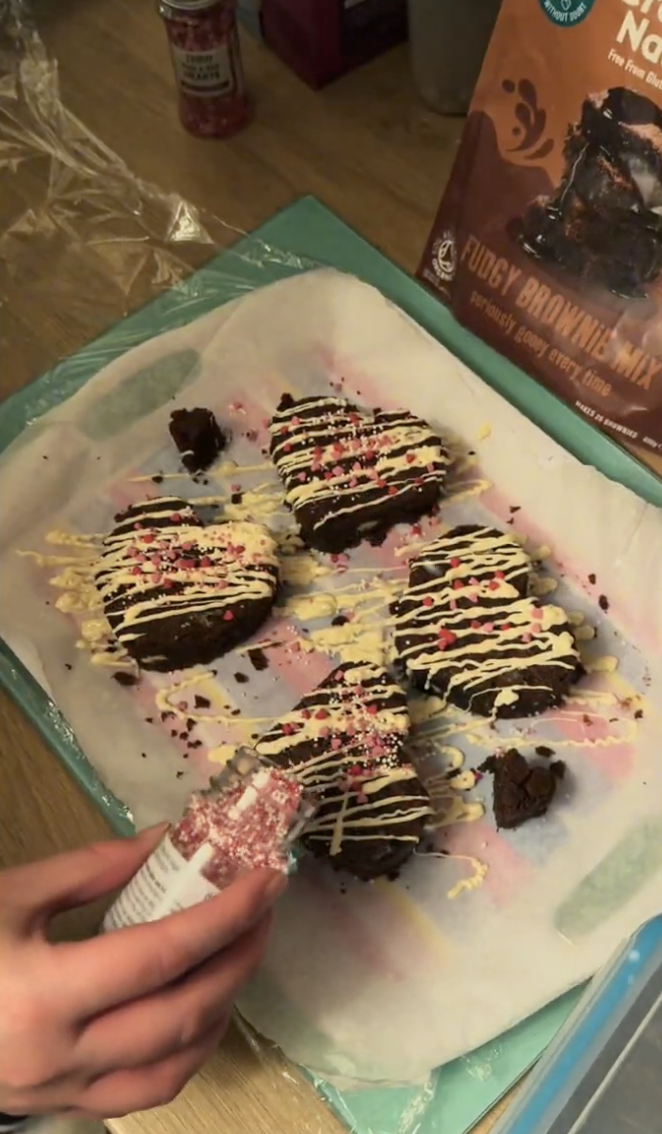
Inclusive food products ranging from safe baking mixes to everyday snack bars unlock participation. They let a child bring a brownie to school and know they won’t be the only one eating it. They let siblings share an oat bar without a worry. They create moments that look like what everyone else experiences.
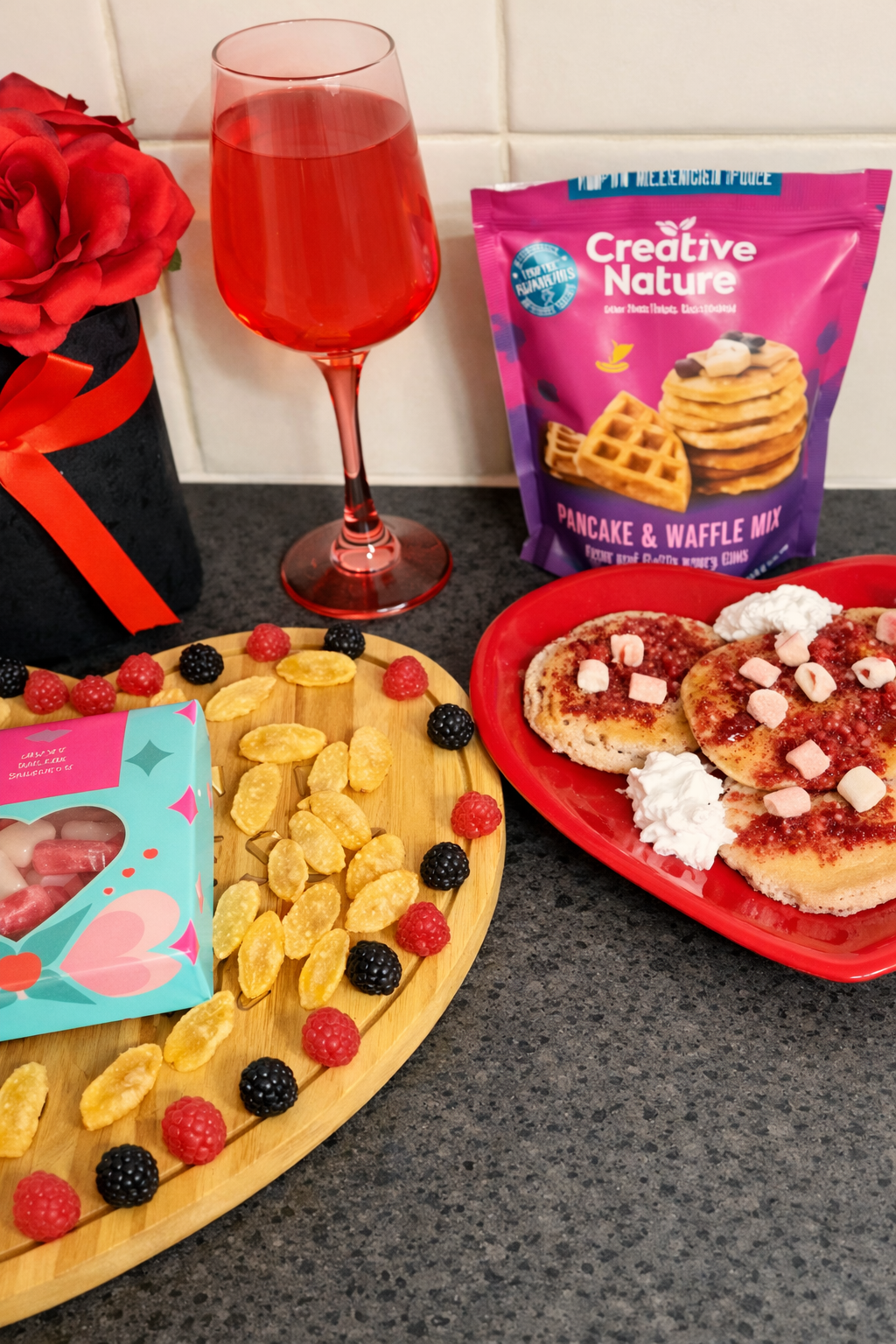
Whether it’s snack bars for lunchboxes, baking mixes that turn into shared treats, or Magibles that make everyday moments playful and delicious, safe options help families focus on fun instead of fear.
These products become tools for connection.
Travel Inclusion
Traveling while managing food allergies can be an emotional roller coaster, ranging from flight snacks to train journeys and international meals. Inclusive food isn’t just about what’s safe to eat; it’s about being able to participate fully in the joys of discovery and togetherness.
Whether it’s snacks for a long train ride, airplane-friendly bakes, or safe treats for adventures abroad, inclusive options make travel memories richer and less stressful. (And yes — maybe this is us dropping hints about some exciting news coming soon about Creative Nature expansion that will make inclusive travel even easier. Stay tuned!)
The Heart of Inclusive Food Culture
True inclusion in food culture is about love. It’s the parent who packs two safe snacks so a child can join in. It’s the teacher who plans a classroom party with dietary needs in mind. It’s the travel companion who brings a bag of treats everyone can enjoy.
This Valentine’s month, let’s celebrate food that includes everyone, because love is sweetest when shared.
