 Login / Register
  Contact / wholesale enquiries


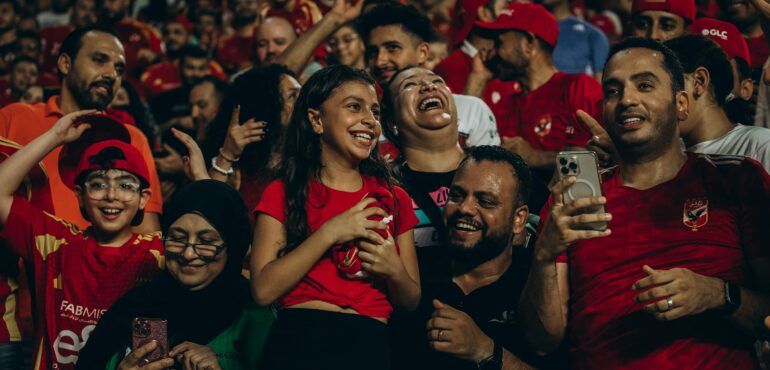
The World Cup is one of the most communal sporting moments on earth. Every four years, billions of people come together around the same matches, the same drama, the same collective hope.
For most people, watching involves a sofa, a screen, and whatever snacks are closest.
For allergy families, it involves something else entirely.
There is a hidden layer of work that arrives with every major communal event, and the World Cup is no exception. We call it the allergy tax. It’s not a physical cost. It’s a time cost, an energy cost, and an emotional cost that most people never have to think about — because they don’t need to.
What the allergy tax actually looks like
Picture a World Cup watch party. The table is full of crisps, dips, chocolates, finger food passed between bowls and plates and hands.
For an allergy parent, that table is not a spread. It’s a risk assessment.
Before you even arrive, there’s a process: checking what snacks are being served, working out which ones you can trust, deciding whether to call ahead or just bring your own food, explaining to other parents, why your child can’t have what everyone else is having.
At the party itself, you’re tracking proximity to allergens in a loud, distracted environment. Reading labels against kitchen lighting. Watching to make sure shared utensils aren’t being used across dishes. Staying alert while everyone else is watching the match.
You’re there. You’re present. But part of your attention never fully relaxes.
That is the allergy tax. And it doesn’t take a day off for the World Cup.

Our founder, Julianne, who is severely allergic to peanuts and tree nuts, puts it better than any statistic could. She describes walking into a food and drink industry event and finding bowls of nuts on every single table, open, scattered, being passed between hands, chairs, and napkins. Here is what was actually going through her head. Not the polished version. The real one.
Don’t touch anything. Don’t lean on the table. Don’t shake that hand, they’ve just had a handful. Where is my EpiPen? Is it in this bag or the other one? Did I check the expiry date? Don’t breathe in too deeply. Smile. Say hi. Look normal.
That is the first 90 seconds before she has said hello to anyone.
“It’s not the big stuff, it’s the small stuff,” she says. “It’s when everyone around you just reaches in without thinking, laughing, chatting in the moment, and you’re standing there doing the maths in your head. How close is close? How do I get through this room without touching that surface? That’s the gap.”
There have been times she has nearly not gone. Standing by her front door, keys in hand, asking herself if it is worth the questions, the explaining, the exhaustion of managing it before she has even left the house. And that, she says, is the lonely part. Because from the outside, it just looks like you didn’t fancy it.
This is what the allergy tax really costs. And it does not take a day off for the World Cup.
The stadium reality
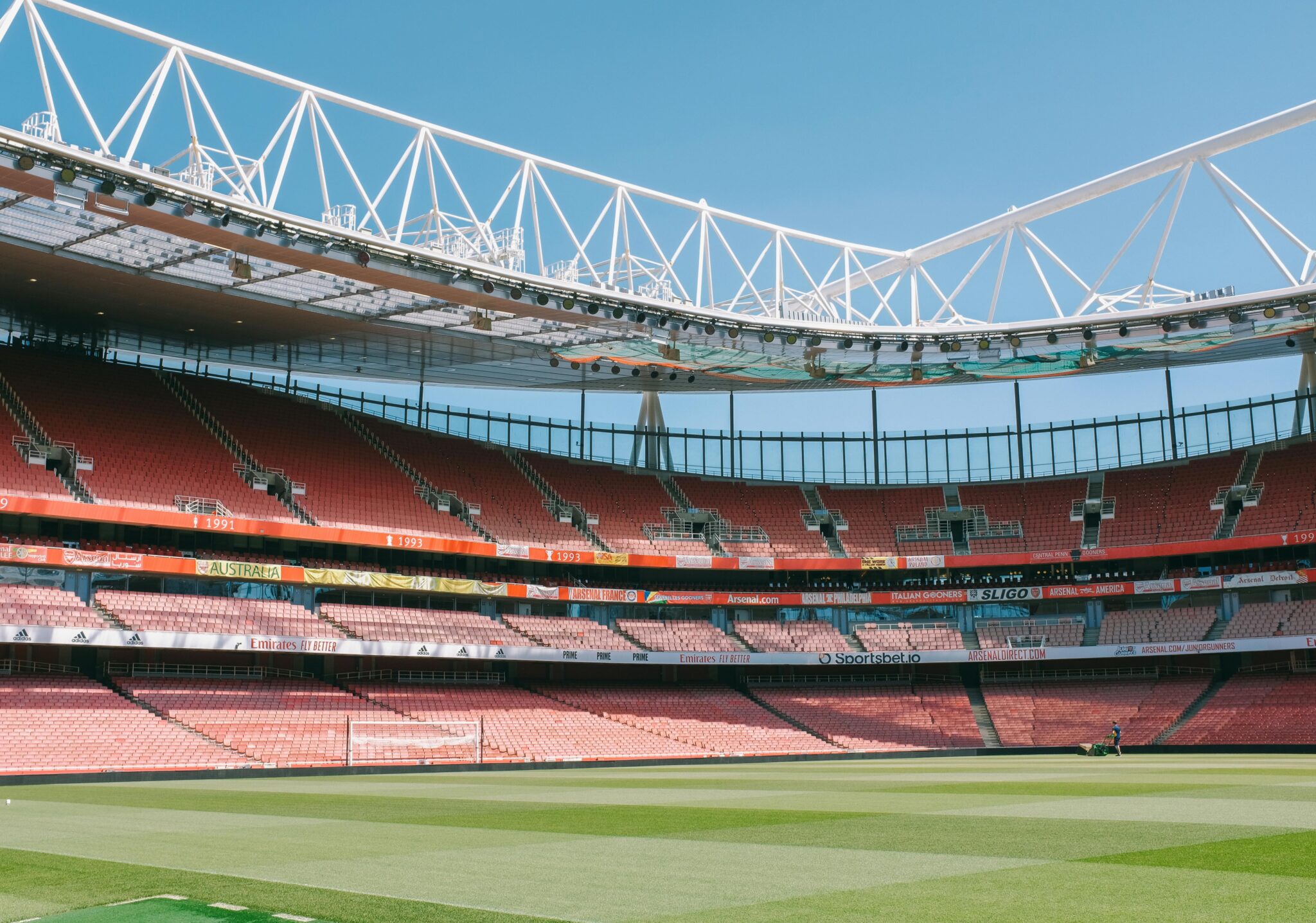
For families attending matches in person, the challenges are even more significant.
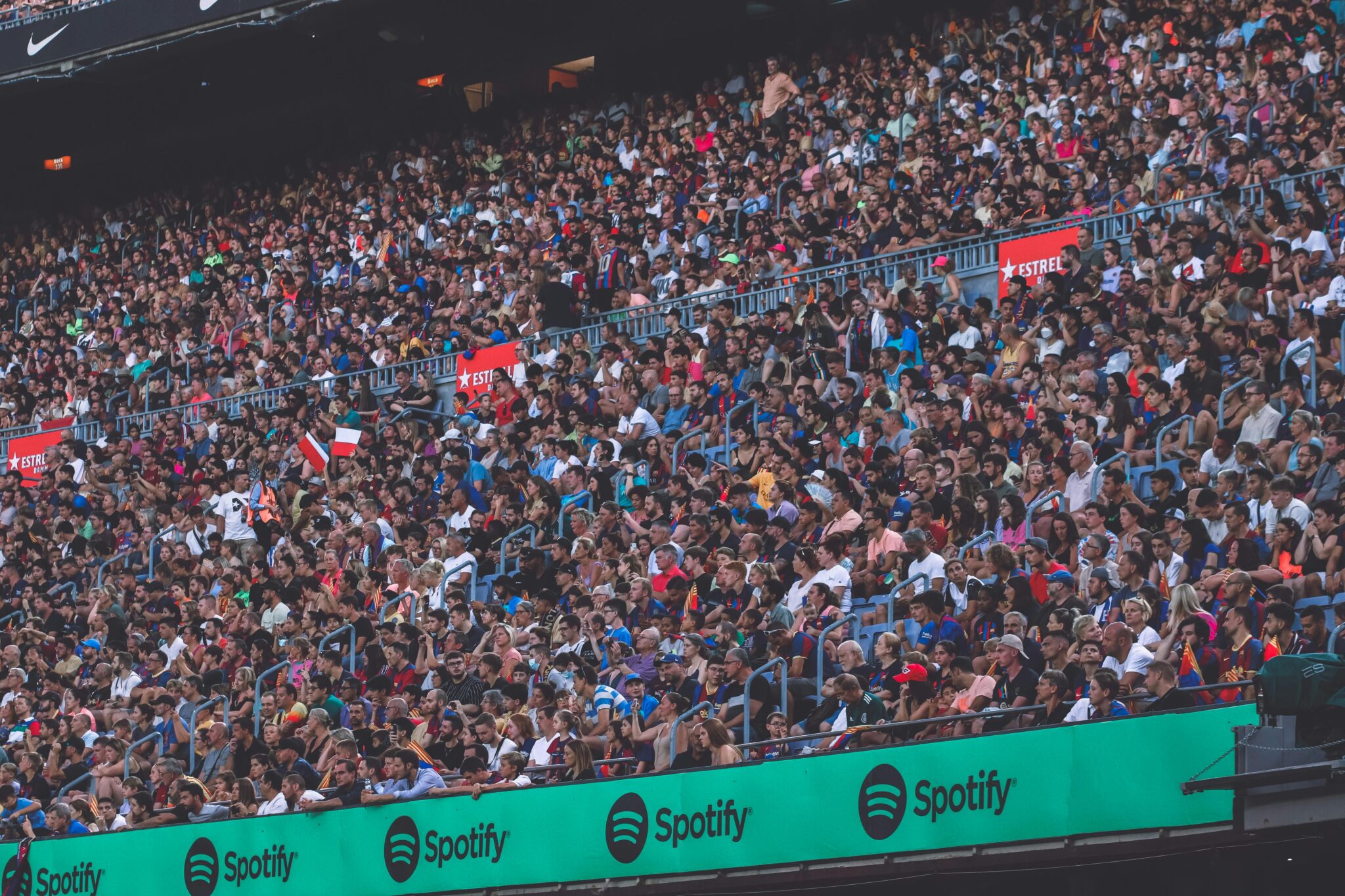
Major sporting venues have a long way to go when it comes to allergy-safe catering. Concession stands in high-volume environments rarely carry detailed allergen information. The risk of cross-contamination in busy kitchens is real and largely unaddressed. For someone with a severe allergy, the options often come down to: don’t eat, or take a risk you shouldn’t have to take.
The good news is that some venues are starting to pay attention. Fulham FC became the first UK club to install emergency anaphylaxis kits at Craven Cottage, a step that, for every allergy fan in that ground, changes what it feels like to watch the game they love. In the United States, the Red Sneakers for Oakley Foundation has partnered with sports venues to create dedicated allergy-safe spaces, giving families somewhere they can sit and watch without fear.
These are exactly the kind of decisions that matter. They are not complicated. They signal to allergy families: you are considered here.
The 2026 policy that allergy families need to know about
The 2026 World Cup spans three host nations: the USA, Canada, and Mexico. And it comes with a food policy that allergy families should be aware of now.
Outside food is expected to be banned from 2026 venues, with medical dietary exceptions considered on a case-by-case basis. In practice, that means families cannot simply pack safe snacks and walk through the gate. Those with dietary requirements will need to contact their specific stadium in advance, explain their needs, and arrange exceptions before the day.
This is not a small ask. For families used to bringing their own trusted food as a basic safety measure, it adds yet another layer of planning, paperwork, and uncertainty to an already complex experience.
FIFA has noted that ingredients will be labelled at food stands, and that catering options will aim to accommodate common dietary needs, including gluten-free and vegan. That is a start. But start is the operative word.
What we would put in every stadium concession stand
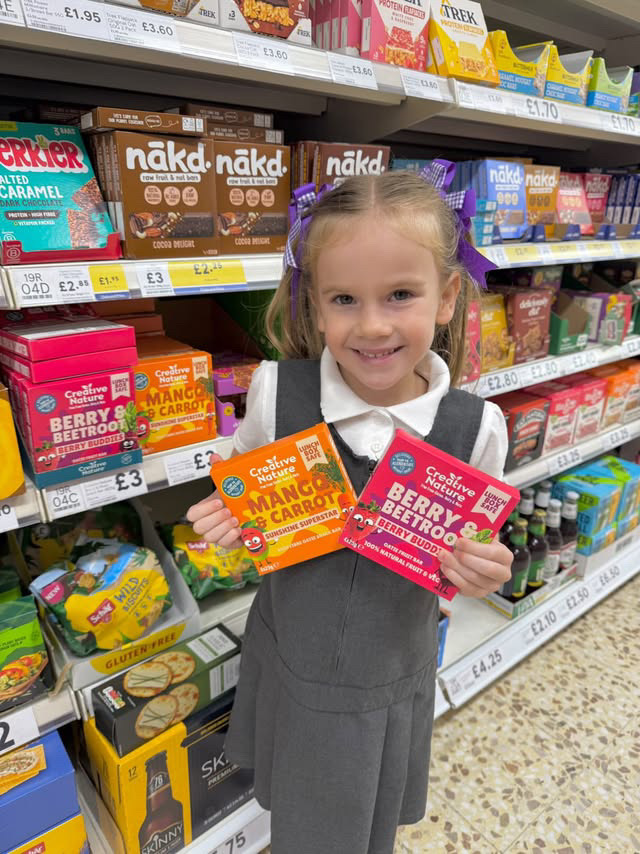
Our founder, Julianne, has a wishlist. It’s not long, and it’s not complicated.
A Berry Blend snack bar. Magibles Salted Caramel. Salt and Vinegar Snack Crackers.
Something sweet, something chewy, something savoury and crunchy. Options that cover different tastes, that are allergen-safe, that can sit on a shelf without refrigeration, and that mean an allergy fan doesn’t have to choose between eating and being at the match.
The bar for inclusion at sports venues is not high. Stock one safe option. Allow people to bring food they trust. That single change opens up live sport properly, without compromise, to hundreds of thousands of people.
The bigger picture
The joy of the World Cup belongs to everyone. The atmosphere, the goals, the moments that people talk about for years. None of that should come with a hidden tax for allergy families.
The solution is not complicated. It starts with venues acknowledging that allergy fans exist, that their safety matters, and that small, practical decisions like a labelled snack, an emergency kit, a policy that allows trusted food through the gate can make a genuine difference.
If you’re heading to a watch party this summer, you can be part of that. Ask about allergens before you host. Label food where you can. Make sure everyone at the table can actually eat.
