 Login / Register
  Contact / wholesale enquiries


The Hidden Labour of Health Logistics
Women still shoulder the majority of family health tasks, which ranges from scheduling GP appointments to managing complex dietary needs and liaising with schools, nurseries and workplaces. While national figures on allergy‑specific logistics are limited, broader caregiving research underscores this gendered split: women account for a disproportionate share of unpaid care work in the UK, especially when juggling employment alongside health responsibilities. Women’s health needs, including allergies, are too often viewed through a supplement or ‘family admin’ lens rather than a public health priority .
Allergy Anxiety & Emotional Labour
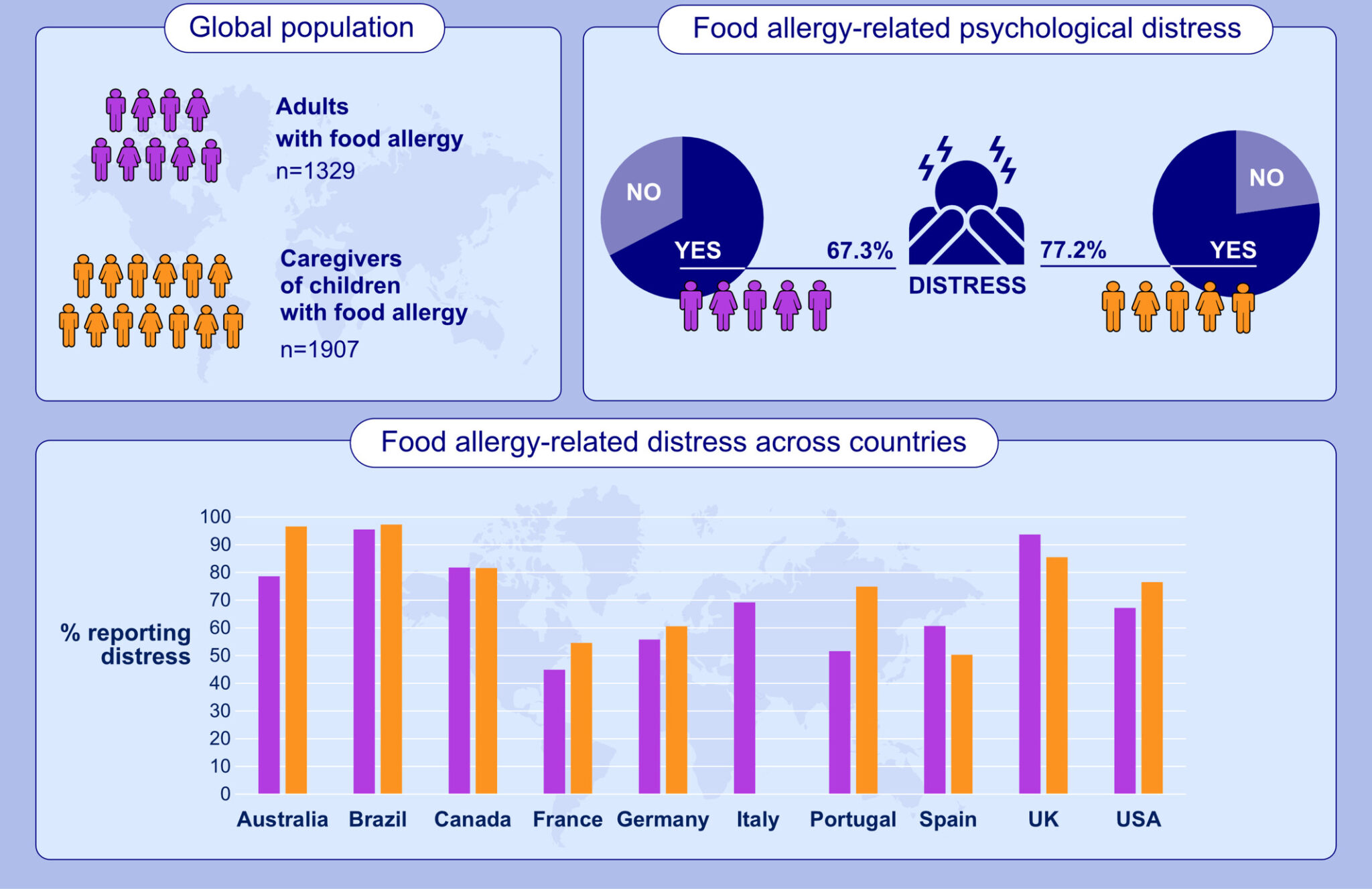
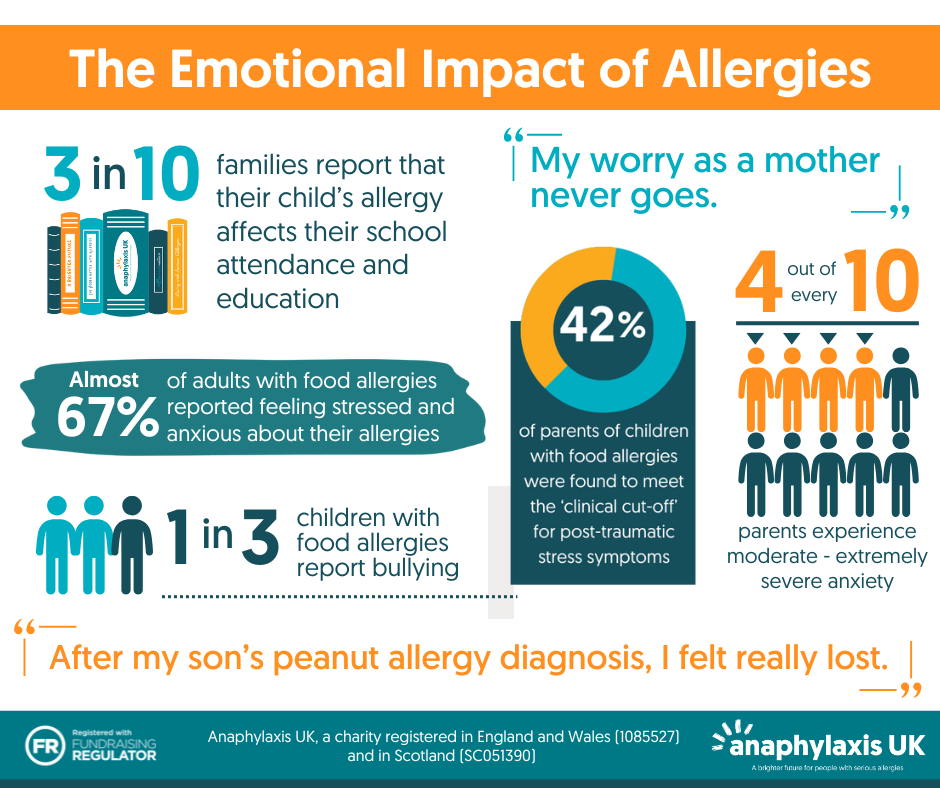
- Two‑thirds of adults with food allergies and three‑quarters of adult caregivers report psychological distress related to allergies, which includes anxiety about reactions, dread of accidental exposure, and worry about food avoidance, according to findings from the Global Access to Psychological Services (GAPS) study involving UK participants alongside others internationally. Yet fewer than 10 % were screened for mental health conditions at routine allergy appointments, and only about 20 % accessed support.
- UK primary‑care data also links allergic and atopic disorders (like food, drug and seasonal allergies) with higher risks of anxiety, depression and other mental health challenges compared with matched non‑allergic patients, underscoring that allergies are both a physical and mental health burden.
How Food Insecurity Shapes Mental Health
- scrolling ingredient lists at every shop visit,
- calling ahead to restaurants and cafes,
- negotiating school menus or childcare snacks,
- cutting out entire food groups at gatherings,
- carrying emergency medication everywhere.
This is not “slight inconvenience”, but rather a sustained cognitive load that drives anxiety and social isolation. One 2024 psychosocial study highlights that individuals with food allergies frequently experience anxiety (reported by over half) and panic, with caregivers also worrying about trusting others to keep their loved ones safe.
Why Brands Must Do Better
Brands have a responsibility, and a real opportunity, to reduce this burden.
Allergen labelling and safe‑food access directly impact mental wellbeing. Families report that unclear labelling and inconsistent ingredient transparency fuel both risk and anxiety. Research from the Anaphylaxis Campaign and Allergy UK shows that better labelling, clearer communications, and consistent allergen handling standards are foundational to the daily lived experience of people with allergies in the UK.
When labels are ambiguous, or cross‑contact warnings are overly cautious (or too lax), it increases the emotional cost of shopping, travelling, eating out, and participating in community life.
How Creative Nature Designs for Real Life
1. Safety as Default
2. Inclusive Design
3. Community and Support
